|
Ho Man Tin hitting dizzy heights
Buyer confidence in Ho Man Tin is on the up. Jane Drew talks to Eric Lam, assistant sales director for Kowloon luxury residential at Ricacorp
Back in the late 50s and early 60s, Ho Man Tin was at the heart of a surprisingly rural Mongkok, an area used primarily for farming. At this time, the surrounding hills provided space for a resettlement area for mainland Chinese refugees, but now of course they serve a totally different purpose. They are a sure-fire selling point for realtors: a glorious green view much sought-after by Hong Kong’s affluent middle class.
The fact that Ho Man Tin is just 10 minutes from what we now know as Mongkok is a big part of its appeal but the real draw is that it’s a peaceful, primarily low-rise residential area. Regulations in force when the old Kai Tak Airport was operational have limited the majority of building heights to 20 storeys; and now, new plot ratio and building height restrictions look set to maintain the comparatively low population density.
“Sales prices for both new builds and older blocks have been on the rise since 2006, and have bolted up between 20 percent and 30 percent in the last quarter,” says Eric Lam, assistant sales director for Kowloon luxury residential at Ricacorp. “Rental prices meanwhile are up 20 percent since last October.”
These price increases are due to the high demand for a limited supply of apartment buildings, as well as plans for improved infrastructure. On March 11, 2008, the government confirmed its decision for the MTR Corporation Ltd to proceed with the Kwun Tong Line extension to Whampoa. The 3-kilometre line will run from the existing Yau Ma Tei Station via Ho Man Tin to Whampoa and is expected to be completed by 2015.
Add improved transportation to an already fine catchment area — top schools in the vicinity include Kowloon Junction School, the Open University of Hong Kong, King George V, Pui Ching Middle School, YWCA Hioe Tjo Yoeng College, Wa Ying College, La Salle College, and Hoi Ping Chamber of Commerce Secondary School — and you can almost guarantee heightened investor interest.
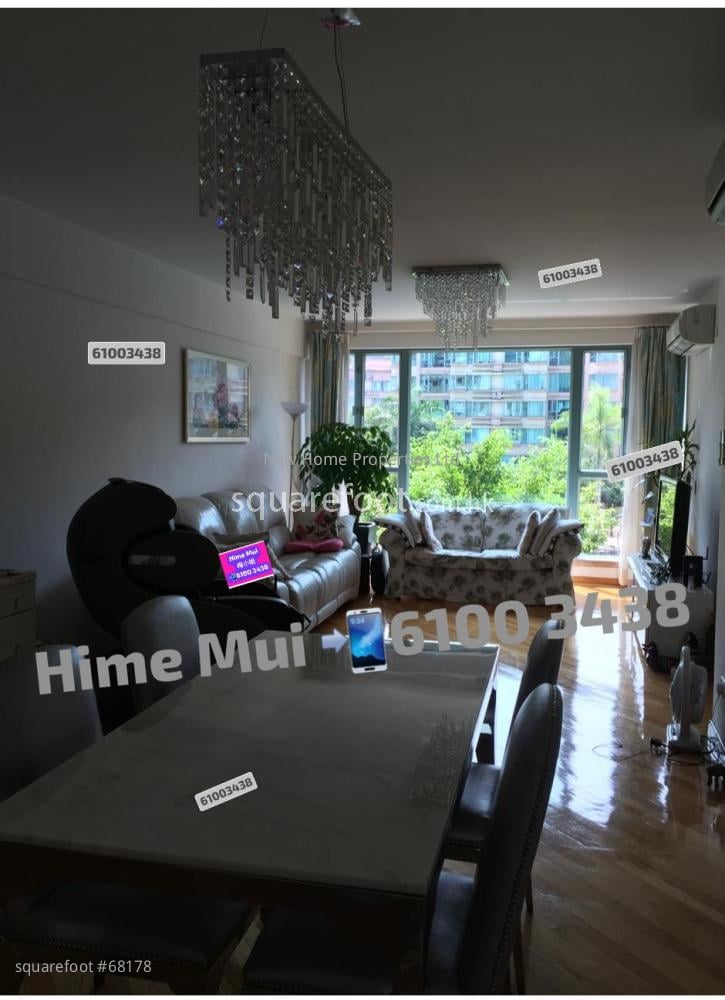
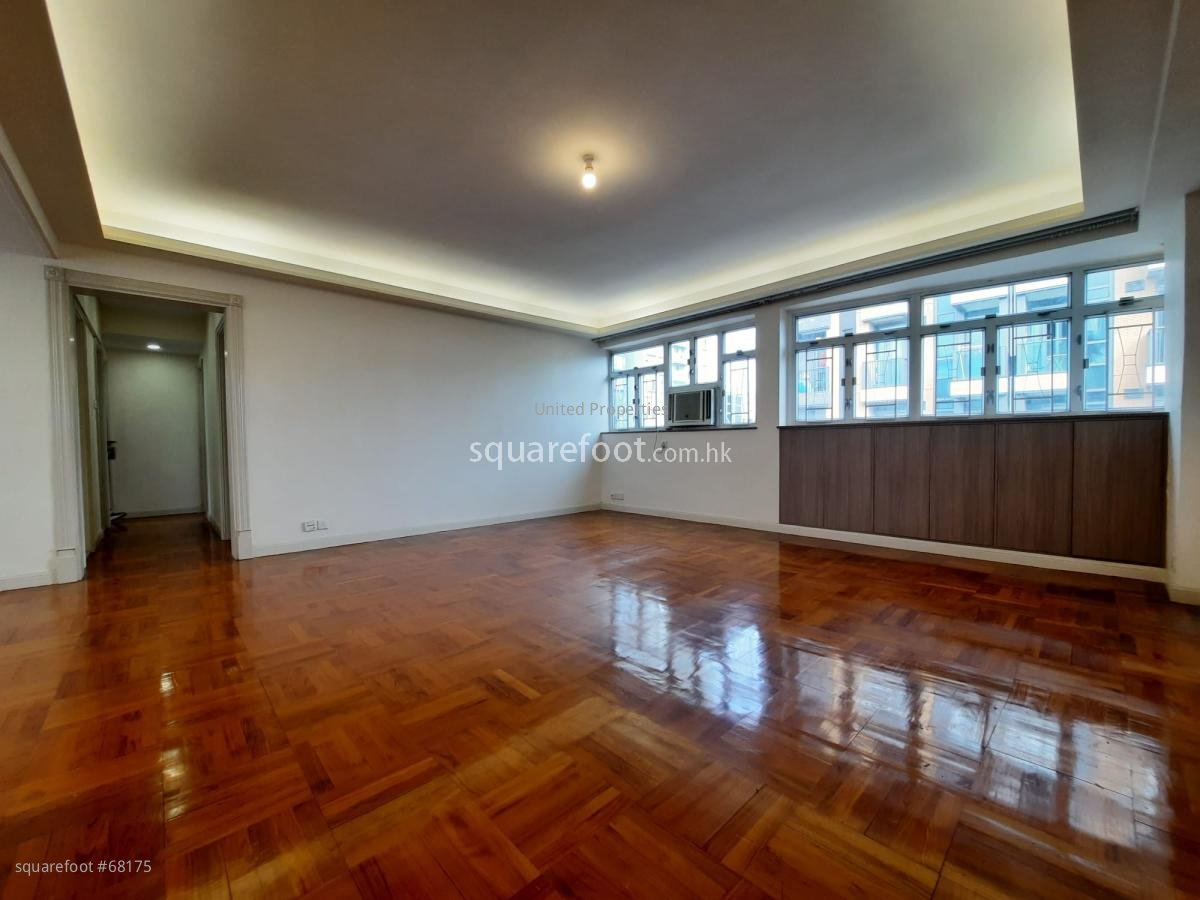
Family-style apartments in low-rise buildings along the old flight path continue to provide good value, and are much in demand. “Because units are so scarce, people will pay higher than the market price,” says Lam. “But if you are lucky you can find a 1,000-square-foot unit in a 30- to 40-year-old block for HK$5.5 million. For a 2,000-square-foot four-bed flat, you are looking at paying over HK$10 million.”
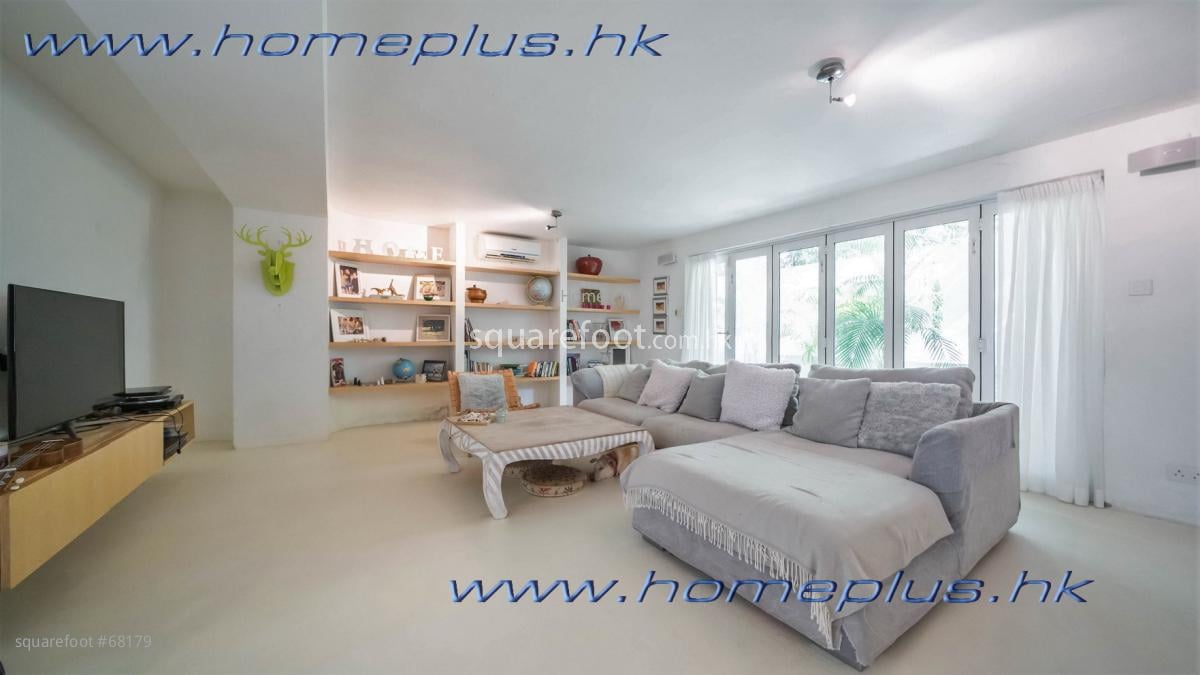
At Regalia Gardens, the cheapest development on Kings Park Hill Road, prices start at around HK$7.65 million for a 995-square-foot three-bed apartment on a mid floor. In the same development, a 1,322-square-foot, three-bedroom apartment on a lower floor is on the market for HK$11.5 million; a 1,110-square-foot three-bed on a mid floor for HK$9.5 million.
In these older buildings without facilities, landlords are in a good position: the rent on a 1,100-square-foot flat on Waterloo Road is over HK$30,000/month. At The Dahfuldy on Ho Man Tin Hill Road, an old block with high efficiency, you can rent a 1,750-square-foot flat for HK$37,000/month.
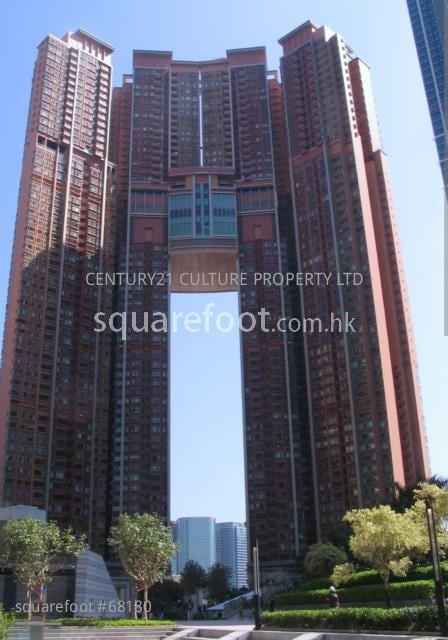
More affluent families are drawn to the smart newer builds with facilities, notably No. 15 Ho Man Tin Hill, a towering Kerry Properties development completed in March 2007. Here units sell for HK$16,000 per square foot on average. A 2,003-square-foot four-bed unit is now on the market for HK$37.5 million.
Henderson Land’s No. 1-9 King’s Park Hill Road completed in 2001 is another prestige property. “A 1,600-square-foot unit would likely sell for over HK$17.6 million,” says Lam. A 3,305-square-foot five-bed apartment is currently on the market for HK$59.8 million; you can rent it for HK$140,000/month.
Ho Man Tin hit the headlines at the end of last month with Cheung Kong (Holdings’) presale of luxury development, Celestial Heights. Jointly developed with privately held Nan Fung Group, the 58-storey block is made up of 939 units, each measuring a sizeable 1,600 square feet or more.
“After the May 22 launch, 210 units sold in two days at an average of HK$13,800 per square foot,” says Lam. “At the moment there are only 12 units left.”
While some three-bedroom units are available, most of the flats on offer are four beds. Investors are looking at paying around HK$18,000 per square foot for the units on the higher floors; HK$12,000 per square foot on the mid floors.
Buyer interest has been high because unit prices at Celestial Heights are lower than prevailing market rates. Consider that homes at No. 15 Ho Man Tin Hill have been selling at between HK$15,000 per square foot and HK$16,000 per square foot, as opposed to HK$13,800 per square foot on average at Celestial Heights, which is considered the better development.
Lam says, “You would pay around HK$18,000 per square foot for a high-floor unit at Celestial Heights, which is around what you would pay for a flat on one of the lower floors at No. 15 Ho Man Tin Hill. Celestial Heights offers value as you can buy a 1,000-square-foot unit on a mid-floor for around HK$20 million.”
In the pre sale of Celestial Heights, Cheung Kong (Holdings) was encouraged by the successful May launch of The Palazzo in Fo Tan; over 800 of the 1375 units were sold in a few days at an average of HK$9,800 per square foot. Developer Sino Land has subsequently raised prices, and it’s likely that Cheung Kong (Holdings) will follow suit.
“When more units are launched, the asking price may go up to more than HK$20,000 per square foot because Cheung Kong (Holdings) are optimistic about the luxury property market,” says Lam.
“Reasonable prices at Celestial Heights have drawn potential clients and investors to the area and the sales have been phenomenal,” he continues. “But this will put some pressure on the rest of the market and over the next two or three months, we expect a slow down.”
Click here for local property listings and reference articles.
|